
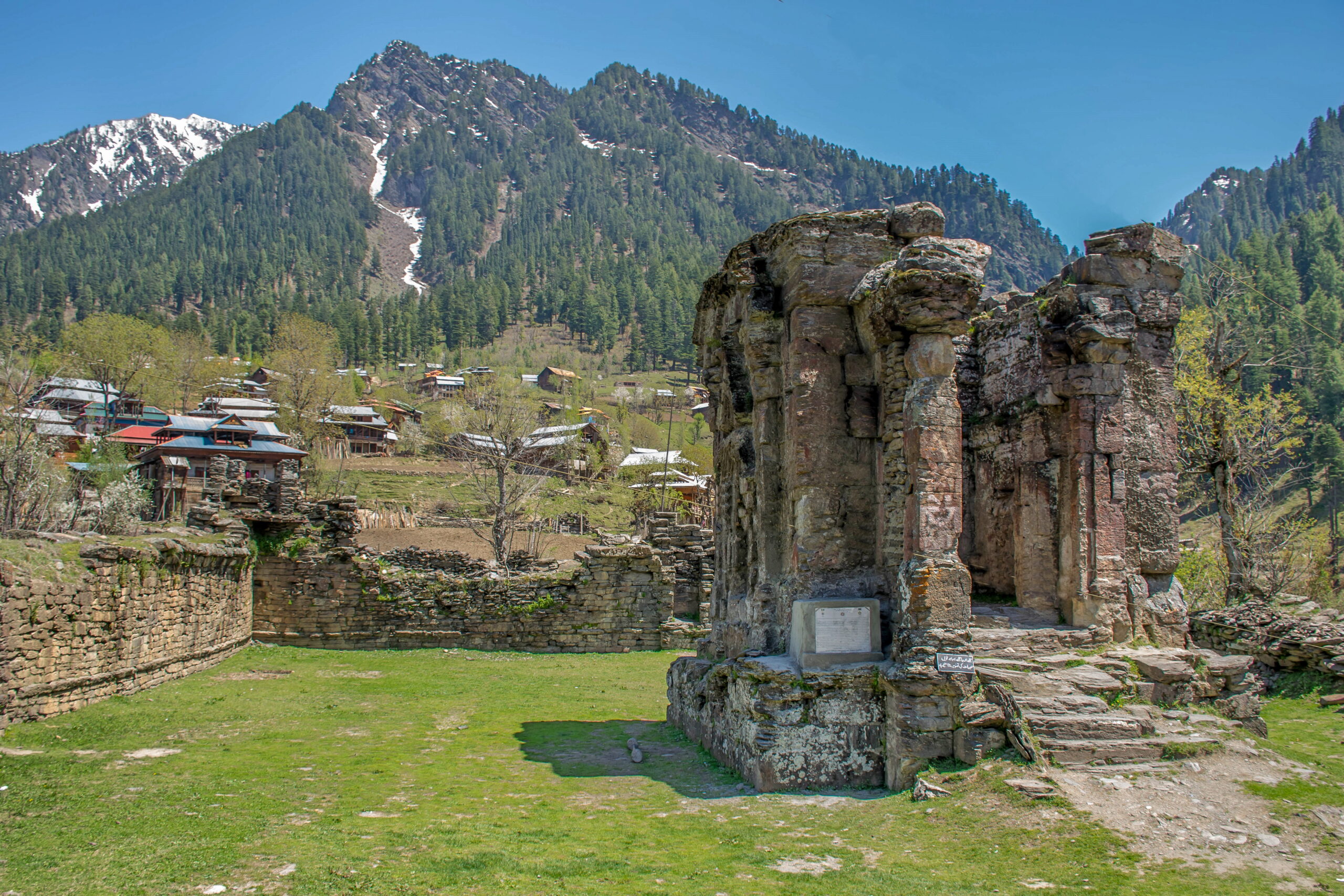
 It was a profound privilege for the Kashmir Writers’ Association—an intellectual collective of Kashmiri civil society—to host a historically momentous event: the inaugural ceremony of the Sharda Devi Mandir at Teetwal, Kupwara. Within the newly consecrated temple, the Panchloha idol of Sharda Devi was installed with immense zeal, reverence, and devotion. Alongside hundreds of volunteers and local residents of Teetwal, the Association welcomed scores of visiting pilgrims. Devotees were embraced with overwhelming warmth; locals showered them with flower petals, garlanded them, and shared traditional sweets. The atmosphere on the ground was deeply moving and charged with emotion.
This gathering carried an unmistakable message of universal brotherhood to the wider world. Crucially, the people of Teetwal willingly donated the land on which the Save Sharda Committee erected the temple—a testament to the enduring reality that the core of Kashmiriyat is secular, inclusive, and rooted in shared humanity. Inspired by this spirit, the Association implores the leadership of both India and Pakistan to open the ShardaPeeth Corridor, mirroring the historic precedent set by the Kartarpur Corridor.
The Kashmir Writers’ Association remains an ardent, steadfast advocate of the Kashmiri ethos: Kashmiriyat, famed for its syncretism, pluralism, and mutual respect. All of our efforts revolve around bridging divides across faith, caste, and creed. We stand consistently at the forefront of initiatives that nurture harmony, mutual dignity, and lasting peace.
To us, the ancient ShardaMandir across the Line of Control is far more than an abandoned brick relic stranded in 1947; it is an unhealed wound in our cultural conscience, bleeding quietly along the banks of the Kishenganga and weeping in unison with its waters. The ruins of ShardaPeeth cry out for the reconnection of split hearts and the restoration of a fragmented ethos.
Through its prolonged abandonment, any conscious soul can see the devastating political tragedy that tore our centuries-old syncretic culture asunder and unleashed untold sorrow upon Kashmir in 1947. More than seven decades have passed, yet both mandir and masjid across the subcontinent still lament the blunders of partition. The shrine of Sharda stands as a silent witness to how deeply Kashmir has suffered—and continues to suffer—from the narrow political visions framed decades ago.
Generations raised amid the turmoil of the past thirty years have often been deprived of the living memory of Kashmir’s pluralistic heritage. The historic pluralism of our society was singular, deeply anchored in the soil of Rishiyat—a lived philosophy of universal fraternity. Under this ethos, one’s neighbor is first and foremost a fellow human being. Labels of Sikh, Pandit, or Muslim do not divide; they represent varied expressions of the same ultimate truth. It demands unconditional respect for the individual and their faith alike.
Sacred spaces—whether Gurdwara, Mandir, or Masjid—have traditionally been revered under Kashmiriyat as Asthans: abodes of divine contemplation. Viewing Kashmiriyat through the lens of Rishi-Sufi mutual coexistence reveals a shared sanctuary of faith, which is why temples and mosques have stood peacefully side by side across the valley for centuries.
The poetic legacy of Kashmir’s venerated saints affirms that Kashmiriyat is an inward spiritual journey, shared equally through the Shaivism of LalDed (Lalleshwari) and the Islam of Sheikh Noor-ud-Din Noorani (Nund Rishi). It was never meant to be a political battleground for worldly ambition, but a call to live together in profound grace:
Sheikh Noor-ud-Din, reverently celebrated as Alamdar-e-Kashmir by Muslims and Pandits alike, praised the Shaivite mystic LalDed in his verses:
“That Lalla of Padgampore,
Drank deep the nectar of the Divine;
She was our saint, who held God within her soul,
O Lord, grant me the same spiritual grace!”
How could any Kashmiri harboring this heritage harbor malice toward a neighbor honoring the tradition of Lalla, when his own most revered saint held her in such sublime esteem?
Similarly, the celebrated Rishi poet Hazrat Shams Faqir immortalized her spiritual stature in his enduring verse:“As Lalla merged her soul with the infinite sky,
Direct your knowing wholly unto God;
Lalla plunged into the sacred waters,
She truly knew how to cross the ocean of life.”
Had genuine hostility ever defined the relationship between Muslims and Pandits, why would Pandits historically visit the shrines of Sheikh Noor-ud-Din, Hazrat Sultan-ul-ArifeenMakhdoom Sahib, and countless other Sufi sanctuaries? Rishism and Sufism are the shared threads of our cultural fabric. Muslims fondly refer to Lalleshwari as LalAarifa—a woman of divine wisdom. In turn, Kashmiri Pandits hold Hazrat Sheikh Abdul QadirJeelani of Baghdad in such reverence that they address him as Kah-Noove (“The Saint of Eleven Divine Names”) and swear sacred oaths by invoking “Kah-NaavesPatt!”
Evidently, Kashmiriyat is not a cosmetic political slogan devised to paper over modern cracks; it is a living spiritual ethos rooted in centuries of shared contemplation.
Hoping that the dream of the ShardaPeeth Corridor will soon turn into reality, the Kashmir Writers’ Association echoes the sentiment expressed by JamilMaqsood, Secretary for the Foreign Affairs Committee of the United Kashmir People’s National Party:
“This is a welcome step, but prior to that, the Line of Control should be made permeable and travel restrictions eased… It will uplift the lives of the people across this region by rekindling love, peace, and brotherhood, while serving as a vital bulwark against violence and discord.”


